






NEMO is not just a system – It’s a transformation of the entire industry
The European Maritime Single Window regulation (EMSW, EU 2019/1239) is significantly changing how information related to port calls is managed and reported. Its goal is to harmonize reporting practices across the EU and ensure that the same information can be submitted in a consistent way in all member states.
In Finland, this change is being addressed through the NEMO system – but this is not just a national implementation; it is part of a broader transformation in the European operating model.
The maritime data management system NEMO is often seen as a technical upgrade. In reality, it represents a much wider transformation that impacts the entire logistics operating environment.
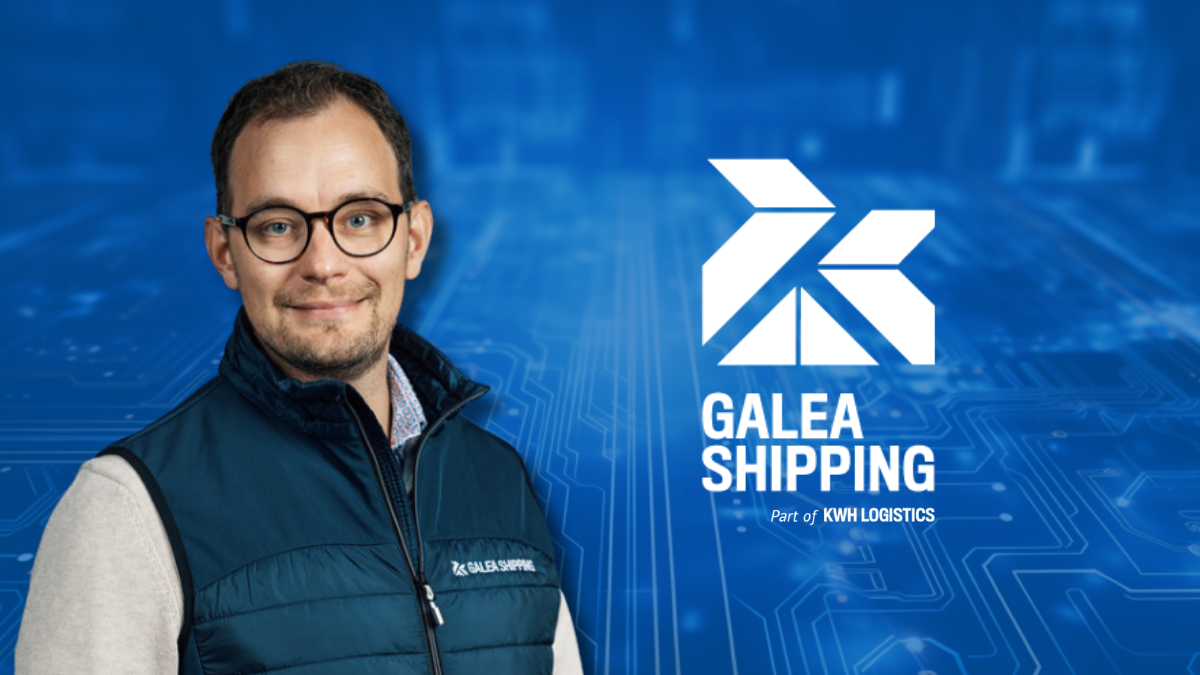
“This is not just about a new system, but about how the entire industry will operate going forward,” says Joel Salmela, Director at Galea Shipping.
NEMO changes how information flows between different stakeholders – from ports to authorities and operational actors. While some underlying processes remain the same, data models and ways of working are undergoing significant change.
Galea Shipping aims to be at the forefront of this development as well. We are among the first involved in the development work and act as a pilot company in cooperation with Fintraffic. We have also actively participated in system development to ensure that the solutions truly meet operational needs.
A key role is played by the long-developed D/S Polo system, which has evolved alongside the digitalization of port operations. D/S Polo serves as a foundation upon which EMSW and NEMO requirements can be efficiently built. This creates resilience in the face of change: we are able to adapt to new requirements in a controlled manner without disrupting daily operations.
At the same time, we utilize the D/S Polo system for managing and executing notifications, enabling a smooth, reliable, and scalable operating model. We are the first interface-based reporting operator in Finland already during the pilot phase, further strengthening our position at the forefront of development.
Uncertainty is part of the transition
Within the industry, many aspects are still evolving. Not all stakeholders have taken a strong position on the reform, which reflects the fact that its final impacts are still being assessed. Testing activity has also remained relatively limited so far.
Galea Shipping is actively involved in the development in cooperation with Fintraffic and acts as a pilot company in the implementation of the new system. This gives us the opportunity to build readiness for change proactively. At the same time, we closely monitor how the reform affects day-to-day operations and our customers’ everyday business.
What the change means for customers
From a customer perspective, the key factors are the smoothness and reliability of information flow. With the EMSW regulation, data is increasingly becoming structured and moves more consistently and in a more timely manner between different stakeholders.
This improves efficiency, reduces duplicate work, and lowers the risk of errors. At the same time, the change also requires new ways of working from customers, as well as readiness to produce and manage data in new ways – where we can act as a supportive partner throughout the transition.
As a result, delivery reliability improves and the entire supply chain becomes more predictable.
Opportunities – and increasing competition
EMSW lays the foundation for a unified operating model across Europe. At the same time, it lowers the threshold for operating in multiple markets, increasing competition but also opening up new opportunities.
“Preparation is no longer optional – it is a prerequisite for competitiveness,” Salmela states.
Thanks to digital solutions and strong system development, Galea Shipping is able to enhance its operations and increasingly focus on international markets. The goal is not just to adapt to change, but to leverage it as a driver for growth.
Joel Salmela, Director
Galea Shipping